
The Silent Link: How Dental Health Impacts Heart Disease and Diabetes
- by Kelly Velazquez
- 1 year ago
- 0 comments
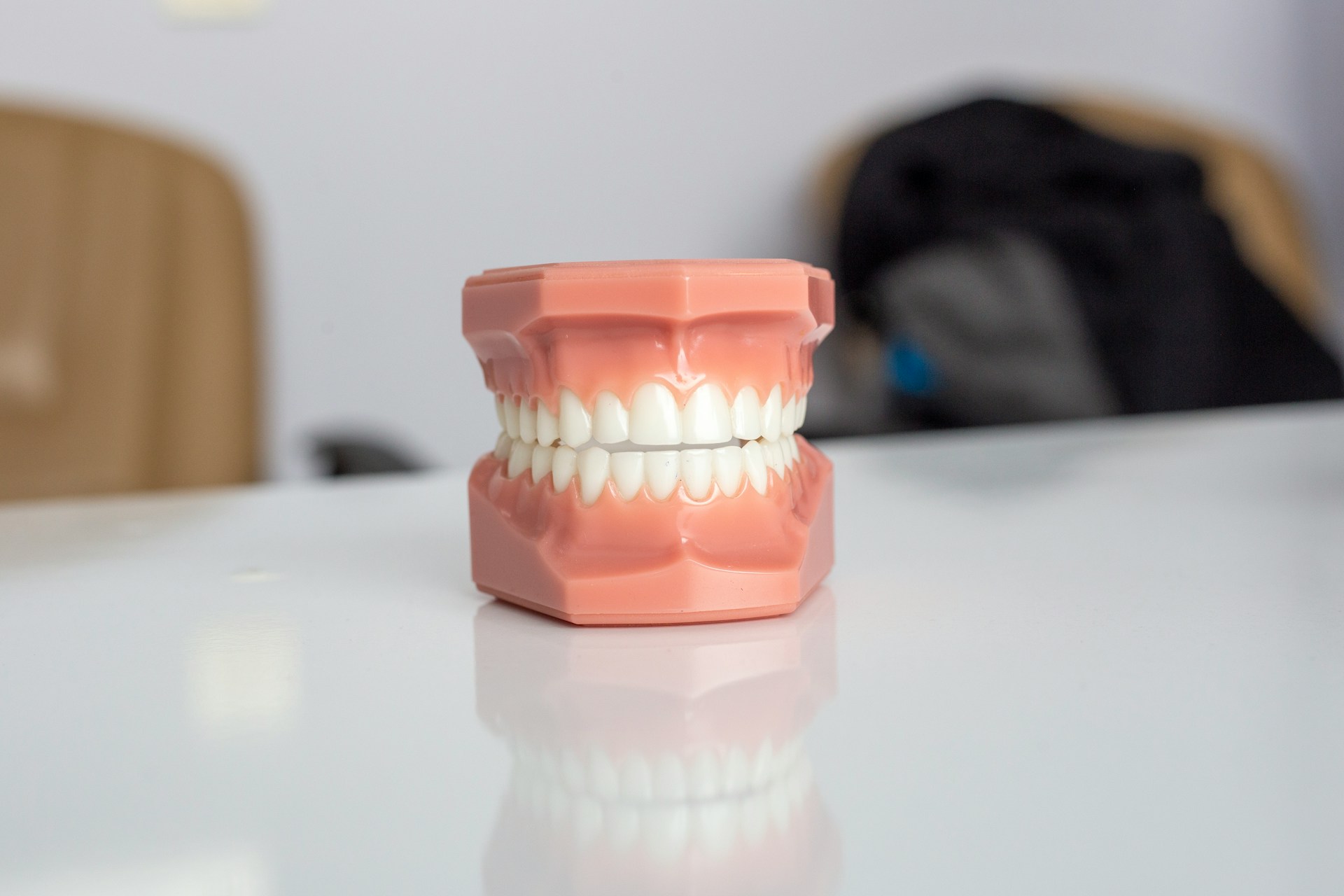
We all know that brushing and flossing are essential for a healthy smile. But what if we told you that your oral health could be silently influencing the health of your heart—and even your blood sugar levels? Growing evidence suggests that the condition of your gums and teeth may play a bigger role in your overall wellness than previously thought. It’s time to look beyond cavities and start seeing oral hygiene as a crucial part of preventive care for some of the most serious chronic illnesses. If you are considering dental implants, you should find the best in the field. Dental implants London have been the first option of many people.
Inflammation: The Common Denominator
 One of the key ways dental health connects to heart disease and diabetes is through inflammation. Gum disease, or periodontitis, is essentially a chronic inflammatory condition caused by bacterial buildup. When left untreated, it doesn’t just stay in the mouth—it can spread inflammation throughout the body. This systemic inflammation has been linked to the development of atherosclerosis (hardening of the arteries), increasing the risk of heart attacks and strokes. Likewise, inflammation interferes with insulin function, making it harder to regulate blood sugar levels and complicating diabetes management.
Bacteria on the Move
The mouth is home to billions of bacteria, many of which are harmless. However, poor dental hygiene allows harmful bacteria to multiply and enter the bloodstream through inflamed or bleeding gums. Once in circulation, these bacteria can travel to other organs, including the heart, where they may contribute to the formation of arterial plaque. For patients with diabetes, whose immune systems are already compromised, this presents a higher risk of infection and further complications.
Gum Disease and Diabetes: A Two-Way Street

Diabetes and gum disease are closely intertwined—and not just in one direction. People with diabetes are more prone to developing gum disease due to increased blood sugar levels, which feed bacterial growth in the mouth. At the same time, severe gum disease can elevate blood sugar levels, making diabetes more difficult to control. This two-way relationship means that neglecting oral health can directly worsen diabetic symptoms, and vice versa.
Restorative Dental Solutions That Support Health
Dental implants help preserve jawbone density and prevent the shifting of adjacent teeth, both of which contribute to better oral stability and easier maintenance of oral hygiene. Stable and cleanable teeth reduce the risk of future infections, which in turn lowers systemic inflammation and supports better cardiovascular and diabetic health. Implants also restore function, allowing people to maintain a balanced diet rich in fiber and low in processed sugar—another win for heart and blood sugar health.
Prevention Is the Best Medicine
 The good news is that preventing oral health issues is within reach. Brushing twice a day, flossing, and visiting the dentist regularly are foundational habits. For those already living with heart disease or diabetes, informing your dentist about your medical history is crucial so they can tailor your care accordingly. It’s also wise to be proactive about signs of gum disease—bleeding, redness, or persistent bad breath are not just minor annoyances; they could be early warnings of deeper health issues.
Oral health has long been treated as separate from the rest of the body, but research is steadily proving that what happens in your mouth can affect your entire system. Whether you’re managing diabetes, concerned about your heart health, or simply trying to live a longer, healthier life, maintaining good dental hygiene is more important than ever. It’s not just about protecting your teeth—it’s about protecting your whole self.